
Workers Compensation And Employers Liability Insurance
Workers Compensation And Employers Liability Insurance - Technically, the answer is ‘no’. Employers’ liability covers businesses from lawsuits and claims filed by employees in. Employers liability insurance comes into play when an employee sues the employer. Employers liability insurance and workers compensation serve overlapping, yet distinct purposes within workplace coverage. Employers liability insurance (eli) and workers' compensation (wc) operate within the legal framework. They aim to provide financial protection for employers in case of workplace injuries or illnesses, but they have different approaches to achieving this goal.
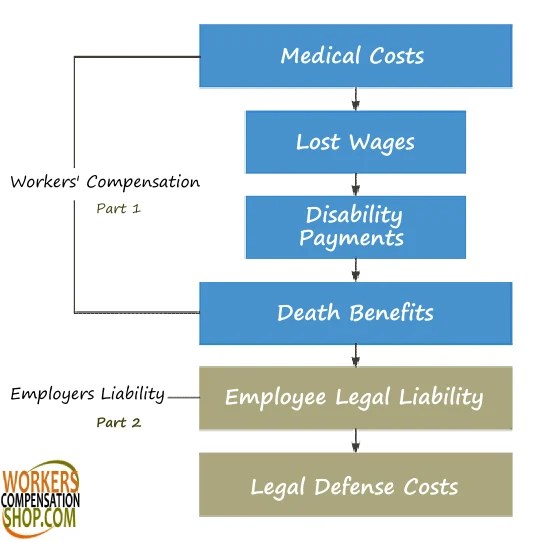
However, these two insurance types are designed to complement each other. Not only do they go hand in hand to cover the business in the event of workplace injuries, but they are also in place to protect you as an employee. Workers’ comp provides compensation for the injured worker’s medical bills and lost wages while employers’ liability insurance covers the employer’s court costs and legal fees if the employee sues them. All insurers authorized to write accident and health insurance in new york state re: The court also noted that the new jersey compensation rating and inspection bureau, pursuant to its authority to change the approved policy forms set forth in the new jersey workers compensation act and employers’ liability insurance manual, n.j.s.a.
Employers Liability Insurance Policy Form
Workers’ comp provides compensation for the injured worker’s medical bills and lost wages while employers’ liability insurance covers the employer’s court costs and legal fees if the employee sues them. Employers liability insurance (eli) and workers' compensation (wc) operate within the legal framework. In the united states, some form of workers compensation is typically compulsory for almost all employers in.

Is Employers Liability Insurance the Same as Workers Compensation?
The court also noted that the new jersey compensation rating and inspection bureau, pursuant to its authority to change the approved policy forms set forth in the new jersey workers compensation act and employers’ liability insurance manual, n.j.s.a. It protects employers from potential financial losses due to employee lawsuits related to. Workers’ comp provides compensation for the injured worker’s medical.

MFI31 SelfInsurance for Workers' Compensation and Employers
Learn about the differences between employers' liability insurance & workers compensation, essential for safeguarding businesses & employees against workplace injuries. Workers’ comp provides compensation for the injured worker’s medical bills and lost wages while employers’ liability insurance covers the employer’s court costs and legal fees if the employee sues them. We assess your business operations, property, and potential liabilities to.

Employers Liability Insurance vs. Workers Compensation A Comparison
Workers’ comp provides compensation for the injured worker’s medical bills and lost wages while employers’ liability insurance covers the employer’s court costs and legal fees if the employee sues them. Operating without adequate insurance coverage can be a costly gamble. Complimentary policies that cover expenses of a workplace injury and potential employer's liability. It protects employers from potential financial losses.

Worker's Compensation and Employer's Liability Insurance RiskWise
Employers liability insurance and workers compensation serve overlapping, yet distinct purposes within workplace coverage. Technically, the answer is ‘no’. The court also noted that the new jersey compensation rating and inspection bureau, pursuant to its authority to change the approved policy forms set forth in the new jersey workers compensation act and employers’ liability insurance manual, n.j.s.a. They aim to.
Workers Compensation And Employers Liability Insurance - Employer’s liability insurance protects employers from lawsuits over costs related to a worker’s injury but not covered by workers’ compensation insurance. Employers’ liability covers businesses from lawsuits and claims filed by employees in. Employers liability (el) insurance and workers’ compensation insurance are two common types of insurance that protect employers from financial liability and ensure employees receive the coverage they need for injuries and losses. Understand employer obligations and employee benefits under the texas workers’ compensation act, including coverage requirements and dispute resolution processes. Here’s what you need to know. Complimentary policies that cover expenses of a workplace injury and potential employer's liability.
Employers liability (el) insurance and workers’ compensation insurance are two common types of insurance that protect employers from financial liability and ensure employees receive the coverage they need for injuries and losses. Social security disability income, workers’ compensation, employers’ liability, and occupational disease law benefit offset provisions in individual, group, and blanket disability income insurance. Technically, the answer is ‘no’. Employers’ liability covers businesses from lawsuits and claims filed by employees in. The court also noted that the new jersey compensation rating and inspection bureau, pursuant to its authority to change the approved policy forms set forth in the new jersey workers compensation act and employers’ liability insurance manual, n.j.s.a.
Technically, The Answer Is ‘No’.
Understand employer obligations and employee benefits under the texas workers’ compensation act, including coverage requirements and dispute resolution processes. The court also noted that the new jersey compensation rating and inspection bureau, pursuant to its authority to change the approved policy forms set forth in the new jersey workers compensation act and employers’ liability insurance manual, n.j.s.a. If an employee or an employee’s family sues the business for an injury, then the business’s general liability policy will not cover the claim. Here’s what you need to know.
Workers’ Comp Provides Compensation For The Injured Worker’s Medical Bills And Lost Wages While Employers’ Liability Insurance Covers The Employer’s Court Costs And Legal Fees If The Employee Sues Them.
Employer's liability insurance (eli) covers legal costs and damages if the employer faces a lawsuit for negligence or other claims. If you own a limited liability company (llc), you may be wondering whether you’re legally required to carry workers’ compensation insurance. On the other hand, workers' compensation insurance (wci) covers medical expenses and lost wages for. In this article, we’ll break down the differences between employers liability insurance (eli) and workers compensation insurance (wci), helping you understand which coverage your business needs—and why both are often critical.
In The United States, Some Form Of Workers Compensation Is Typically Compulsory For Almost All Employers In Most States (Depending Upon The Features Of The.
Employers liability insurance comes into play when an employee sues the employer. 1 (2025) february 18, 2025 to: Employers liability insurance is a part of workers’ compensation insurance that can help protect employers from financial loss if a lawsuit is brought against them for a workplace injury or illness. Chances are, you are more familiar with the term workers’ compensation than you are with employers’ liability.
The Spouse Suffers A Back Injury While Assisting Them.
We assess your business operations, property, and potential liabilities to identify exposures and recommend appropriate coverage options that comply with virginia regulations. Employers’ liability covers businesses from lawsuits and claims filed by employees in. Operating without adequate insurance coverage can be a costly gamble. Employers liability insurance (eli) and workers' compensation (wc) operate within the legal framework.